
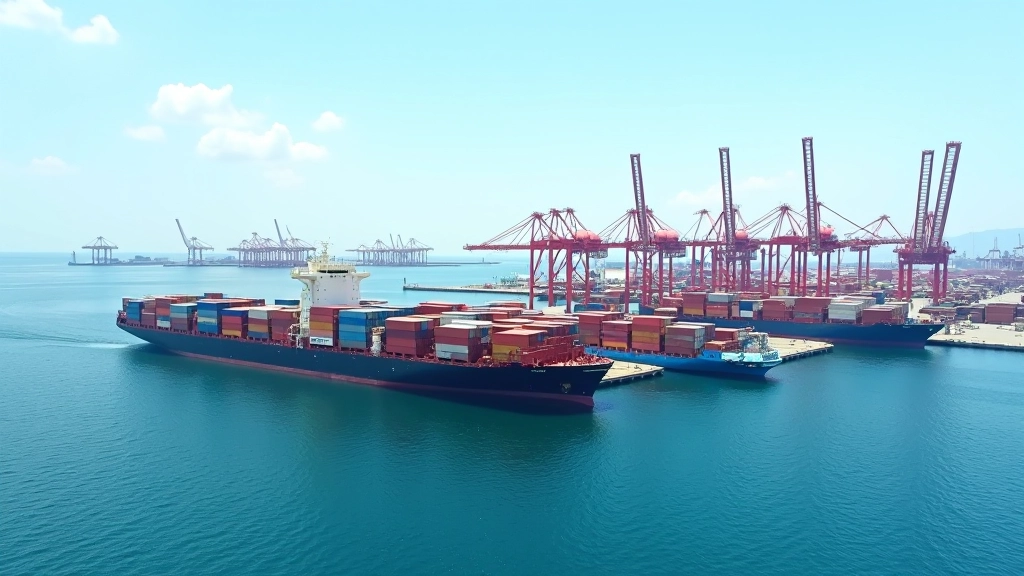
Canada’s Export Economy: What We Ship and Where
Oil, metals, and agricultural products dominate Canadian exports. Learn which sectors drive our trade surplus and where our biggest customers are located.
Read Full GuideExplore how exports, imports, and trade agreements shape Canada’s role in the global economy. From commodity markets to CUSMA, discover what drives our international commerce.
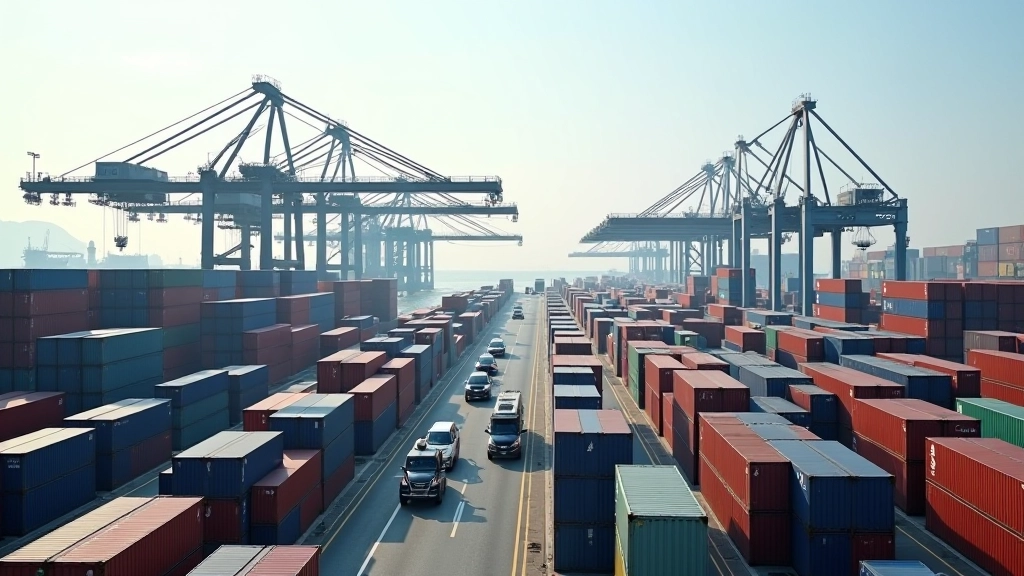
Trade isn’t just numbers on a spreadsheet. It’s the lifeblood of Canada’s economy, connecting our resources to markets worldwide.
Oil, metals, and agricultural products drive Canada’s export economy. We’re among the world’s top suppliers of energy and raw materials, with markets across North America, Europe, and Asia.
Over 70% of our exports come from natural resources. While this creates opportunities, it also means Canada’s economy is sensitive to global commodity prices and demand fluctuations.
CUSMA replaced NAFTA in 2020, reshaping trade rules with the US and Mexico. Beyond North America, Canada negotiates agreements with the EU, Pacific nations, and emerging markets.
COVID-19 exposed vulnerabilities in global supply chains. Canada now works to diversify partnerships and strengthen its position as a reliable supplier in critical sectors.
In-depth guides to understanding trade agreements, export markets, and commodity dependence
Oil, metals, and agricultural products dominate Canadian exports. Learn which sectors drive our trade surplus and where our biggest customers are located.
Read Full Guide
The Canada-United States-Mexico Agreement replaced NAFTA in 2020. Here’s what actually changed for businesses and consumers, and why it matters.
Read Full Guide
Why does Canada rely so heavily on oil, metals, and agricultural exports? Explore the risks and opportunities of commodity market exposure.
Read Full GuideKey metrics that define our role in global commerce
Total exports in 2023, with energy products representing roughly 30% of the total value
Total imports in 2023, dominated by machinery, vehicles, and consumer goods
Of Canadian trade is with the United States, showing heavy bilateral dependence
Trade surplus in 2023, driven largely by energy exports to US markets
Master the key concepts shaping Canada’s international commerce
Canada maintains a trade surplus, exporting more goods than we import. But this isn’t evenly distributed across sectors — energy drives the surplus while manufactured goods often show a deficit.
The Canada-United States-Mexico Agreement updated tariff rules, labor standards, and digital trade provisions. It’s not revolutionary, but it maintains predictability for businesses operating across North America.
When oil prices drop, Canadian export revenues plummet. This creates budget pressures for provinces like Alberta and affects currency strength. Diversification remains an ongoing challenge.
Post-pandemic, governments and companies reassess supply chains. Canada’s position as a stable, resource-rich partner strengthens, but competition from other suppliers remains intense.
Answers to help you understand our trade relationships and agreements
Geography matters. Canada has vast deposits of natural resources and the infrastructure to extract and export them efficiently. These sectors generate enormous revenue, though they also create economic vulnerability when commodity prices decline. Diversification efforts are ongoing but take time.
CUSMA (effective July 2020) modernized NAFTA rules for digital trade, labor standards, and environmental provisions. Most tariffs stayed the same, but the agreement updated rules around automobiles, dairy, and digital commerce. It’s not a dramatic overhaul — more of an evolution.
The United States, by far. Roughly 76% of Canadian exports go to our southern neighbor. This creates both opportunity (proximity, shared infrastructure) and risk (economic dependence). Expanding trade with Asia and Europe is a strategic priority.
Yes. Canada’s negotiated agreements with the EU (CETA), Pacific nations (CPTPP), and others. These agreements aim to reduce tariffs and create market access, though they’re less economically significant than US trade. Building these relationships provides insurance against over-reliance on a single market.
Significantly. When oil prices rise, export revenue increases, currency strengthens, and government revenues grow. When prices fall, the opposite happens. This volatility affects employment, investment, and provincial budgets. It’s one reason Canada’s working to diversify its export base.
Machinery, vehicles, chemicals, and consumer goods dominate imports. Many come from the US, but significant portions come from China, Mexico, and Germany. Import growth reflects both population growth and Canada’s reliance on manufactured goods we don’t produce domestically.
What’s changing in Canada’s international economic relationships
China remains Canada’s second-largest trading partner despite political tensions. India, Vietnam, and other Southeast Asian economies are becoming increasingly important. Canadian exporters who can navigate these markets find growing opportunities for resource sales and services.
Oil demand isn’t disappearing overnight, but it’s transitioning. Canada’s mining sector (critical minerals for batteries), hydropower exports, and clean technology offerings are positioning the country for a lower-carbon future. Companies investing in green alternatives now will lead the next generation of exports.
Post-pandemic, companies are moving manufacturing closer to home. This nearshoring trend benefits Canada as companies seek North American production locations. Our skilled workforce, stable government, and existing supply chains make us attractive to US and Mexican manufacturers.
Companies learned the hard way: relying on single suppliers is risky. Canada’s emerging as a backup source for critical goods. Building redundancy into global supply chains creates new demand for Canadian products and services.
Explore comprehensive guides on Canada’s trade agreements, export markets, commodity dependence, and global supply chain positioning. Whether you’re a student, business professional, or policy enthusiast, we’ve got the resources to help you understand Canada’s role in international commerce.